Patios and Hardscape in Portland, OR
Uneven or underused yards become usable outdoor areas with patios, paths, and stone features.
Schedule a Consultation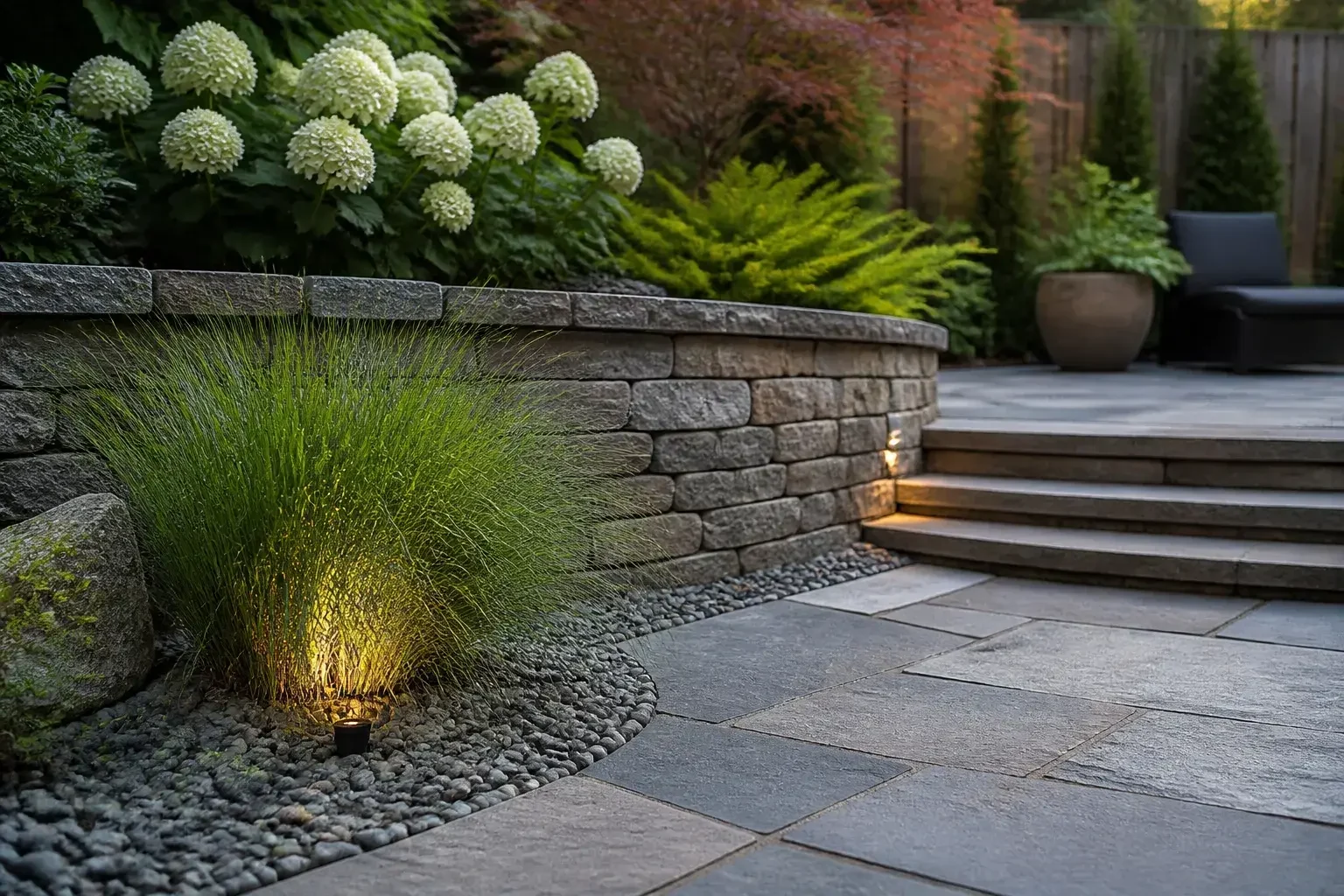
Before a patio ever feels inviting, it usually starts with a space that feels unfinished. Maybe the ground is uneven, the seating area is too small, or the current surface shifts underfoot and makes the whole yard harder to use. You want a place for people to gather, but instead the area feels awkward, muddy, or separated from the rest of the landscape.
That is where Cedar & Stone Landscapes comes in. We help homeowners turn underused outdoor areas into patios and hardscape features that make the yard easier to enjoy day after day. If you are planning a new gathering space, looking to define the flow of your property, or want a more polished outdoor surface, we can help shape a plan that fits how you live.
What hardscape solves
Hardscape is more than a surface to walk on. It gives structure to the yard, creates clear edges, and makes outdoor space feel intentional. A well-built patio can change how you use your property by giving you a stable place for furniture, movement, and everyday use.
- Uneven ground: A patio can replace sloped or patchy areas that make chairs wobble and foot traffic awkward.
- Lack of definition: Hardscape can separate lounge space, planting beds, and open lawn so each area has a purpose.
- Poor flow: Walkways and patio connections can make it easier to move between doors, gardens, and gathering spaces.
- Underused yard space: A carefully placed hardscape feature can turn a forgotten corner into a place people actually use.
When these problems are left alone, the yard often feels less inviting than it should. A smart hardscape plan gives the landscape a stronger layout and a more finished look.
Patio options
Every yard has different needs, and the right patio shape depends on how you want the space to function. Some homeowners want a simple place for a table and chairs. Others want a larger surface that supports lounging, cooking, or a mix of uses.
Common patio goals
- Gathering space: A patio can create a comfortable area for conversation, meals, and time outside without crowding the lawn.
- Outdoor living: A larger hardscape area gives you room for seating, decor, and the everyday items that make outdoor space feel usable.
- Cleaner circulation: A patio can connect doors, garden areas, and side yards so people move through the landscape more naturally.
- Visual balance: A well-placed hardscape feature can anchor the yard and make planting beds and open space feel more cohesive.
We take time to think through how the patio will be used, where people will enter and exit, and how the finished space will relate to the rest of the landscape. That planning step matters because a patio should fit the yard, not fight it.
Materials and finish
Hardscape materials affect both the look and the feel of the finished space. Texture, pattern, and edge details all shape how the patio reads from the house and how it functions underfoot. The right choice should feel natural in the setting and support the way you plan to use the area.
Material details that matter
- Surface texture: A surface should feel comfortable to walk on and work well with outdoor furniture placement.
- Edge treatment: Clean edges help the patio look finished and keep the shape crisp over time.
- Pattern layout: The pattern can make the area feel wider, longer, or more defined depending on the design.
- Transitions: The shift from patio to garden bed, lawn, or path should feel smooth instead of abrupt.
Cedar & Stone Landscapes helps homeowners think through these details before installation begins. That way, the finished hardscape does more than fill space. It supports the way the whole outdoor area looks and functions together.
Design considerations
A patio should never feel like an afterthought. Good hardscape design takes into account size, shape, movement, and the way the outdoor space will be used across seasons and occasions. In Portland, that kind of planning is especially useful because the same yard often needs to serve multiple purposes.
We look at
- How the space is used: A place for dining needs different proportions than a lounge area or a transition zone.
- How people move: Entry points and pathways should make it easy to come and go without awkward turns or bottlenecks.
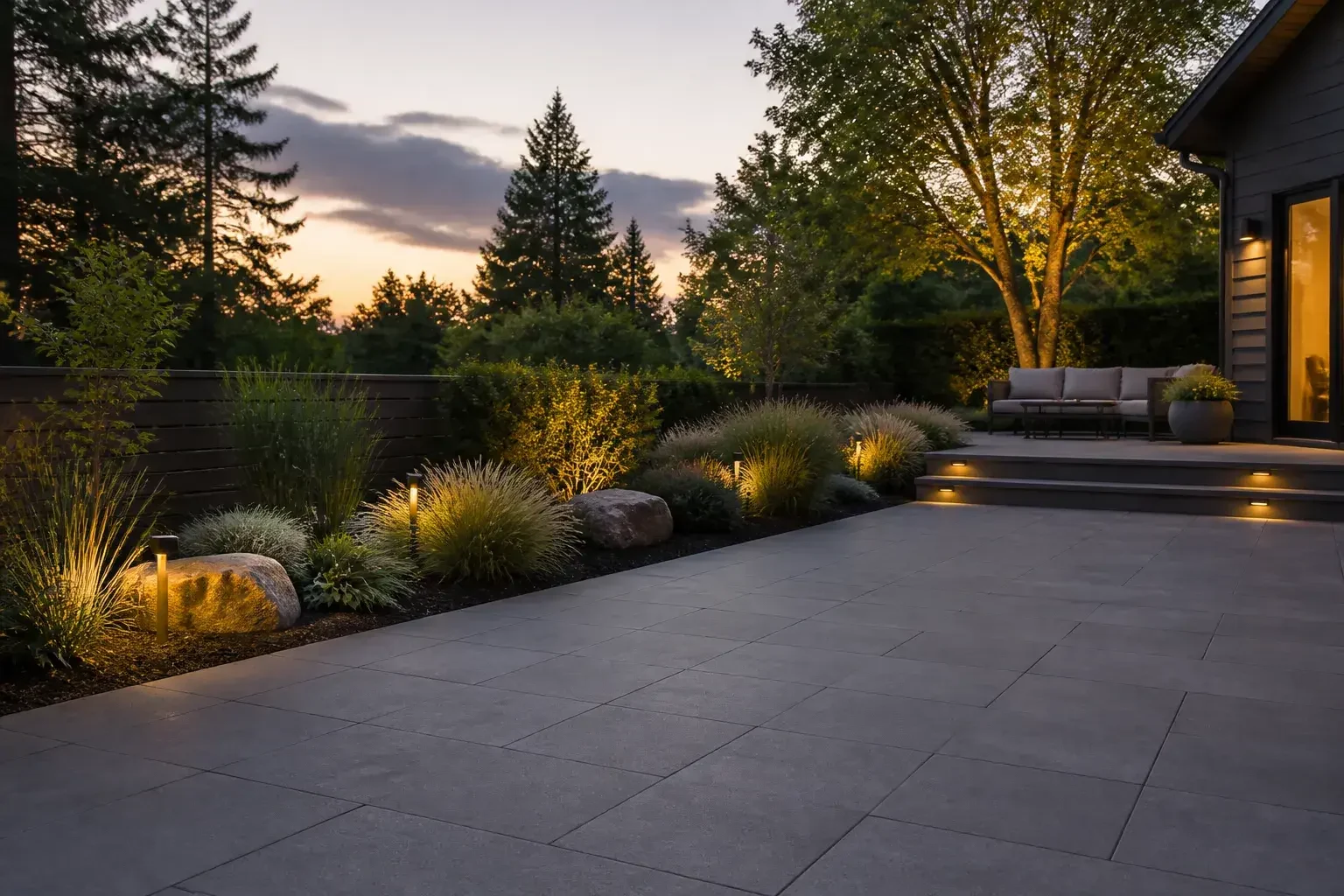
- How the patio sits in the yard: The patio should feel connected to the home and the rest of the landscape rather than dropped in without context.
- How the space will age visually: A good layout still looks intentional after furniture, plants, and daily use are added.
This kind of planning is a major part of what separates a patio that simply exists from one that feels truly integrated. If you are in Portland and want an outdoor space that feels more useful and more polished, design should come first.
Hardscape features
Patios are often the main feature, but they work even better when paired with other hardscape elements that support the layout. These features help guide movement, add definition, and create a more complete outdoor environment.
- Walkways: A walkway connects spaces cleanly and keeps foot traffic from cutting across planting beds.
- Retaining edges: Defined edges can help set a patio apart from softer landscape areas and create a tidier finish.
- Seating areas: Built-in or integrated seating zones make the patio feel ready for use and easier to arrange.
- Steps and transitions: Where grade changes are part of the yard, smooth transitions help the area feel safer and more usable.
These details are not just decorative. They help the yard work better as a whole and give the patio a stronger role in the landscape.
Our process
Cedar & Stone Landscapes approaches patio and hardscape work with a clear sequence so the project feels organized from start to finish. The goal is to make each step understandable and focused on the final result.
- Initial conversation: We talk through your goals, how you use the yard, and what feels awkward or unfinished now.
- Site review: We look at the space, note existing conditions, and identify the shape and placement that make the most sense.
- Design direction: We help refine the layout so the hardscape fits the property and supports the rest of the landscape.
- Construction planning: We prepare the project details so the installation can move forward in a clear, deliberate way.
- Final walkthrough: We review the finished space and make sure the patio or hardscape feature feels ready for everyday use.
That process helps keep the project practical and focused. Homeowners often know they want a better outdoor area, but the right sequence of decisions is what turns that idea into a finished space that works.
What to expect
When a patio is well designed and properly built, the difference is easy to notice. The yard feels more organized, furniture has a real place to go, and the outdoor area starts to feel like part of the home instead of an empty patch of ground.
You can expect a hardscape project to improve both function and appearance. The space should feel more stable underfoot, easier to furnish, and more comfortable to use for everyday moments or gatherings. In Portland, where homeowners often want outdoor areas that feel practical without losing their character, that balance matters.
Cedar & Stone Landscapes works to create patios and hardscape features that feel durable, useful, and visually tied to the rest of the property. We want the finished result to make sense when you step outside, not just when you first see it.
Common questions
How do I know if my yard needs a patio?
If the space feels too open, too muddy, or too awkward for seating, a patio can give it structure and purpose.
Can hardscape help organize a larger yard?
Yes. Hardscape can divide a large space into clear zones so it feels easier to use and maintain visually.
What makes a patio feel unfinished?
A patio often feels unfinished when the edges are unclear, the shape is too small, or it does not connect well to nearby areas.
Do patios need to match the whole yard exactly?
Not exactly, but they should feel connected to the surrounding landscape through shape, scale, and material choice.
Can hardscape work with planting areas?
Yes. In fact, hardscape often looks better when it is balanced by soft landscape elements around it.
Why plan the patio before choosing the final shape?
Because the right shape depends on how you will actually use the space, not just where there is open ground.
Start your project
If you are ready to turn an awkward outdoor area into something more usable, a patio or hardscape project is a strong place to start. It can improve the way your yard functions, make seating and circulation easier, and give the whole property a more finished feel.
Cedar & Stone Landscapes helps homeowners think through the details that matter most: placement, proportion, movement, and how the finished space will fit into daily life. If you are planning a project in Portland or nearby areas like Beaverton, Lake Oswego, or Tigard, we can help you shape a patio or hardscape solution that feels right for your home.
How We Work
A Clear Path From Idea to Finish
Every project starts with a conversation about your property, your goals, and the best way to bring the space together.
- 01
Review the Property
We look at the space, listen to what you want, and identify the best direction for the project.
- 02
Plan the Work
You get a clear approach for design, hardscape, lighting, or care based on your priorities.
- 03
Complete the Project
We carry out the work carefully and leave the space ready to enjoy.
FAQ
Common Landscaping Questions
How do I know which landscaping service I need?
Start with what your property needs most, whether that is a new design, a patio, lighting, or seasonal care. We can help sort out the best fit.
Can you help with both design and installation?
Yes, we can help plan the space and carry out the work that brings the design to life.
Do patios and hardscape work with existing landscaping?
They often do, especially when the new feature is planned around the yard’s layout and use. A good design helps everything feel connected.
Is garden lighting only for decoration?
No, lighting can improve visibility, highlight features, and make outdoor spaces easier to use after dark.
What does seasonal care include?
It depends on the time of year and the needs of the property. Seasonal care helps keep the landscape healthy, tidy, and ready for changing weather.
Get started
Start Your Portland Landscape Project
Tell us what you want to change outdoors, and we will help you plan the right next step for design, hardscape, lighting, or seasonal care.