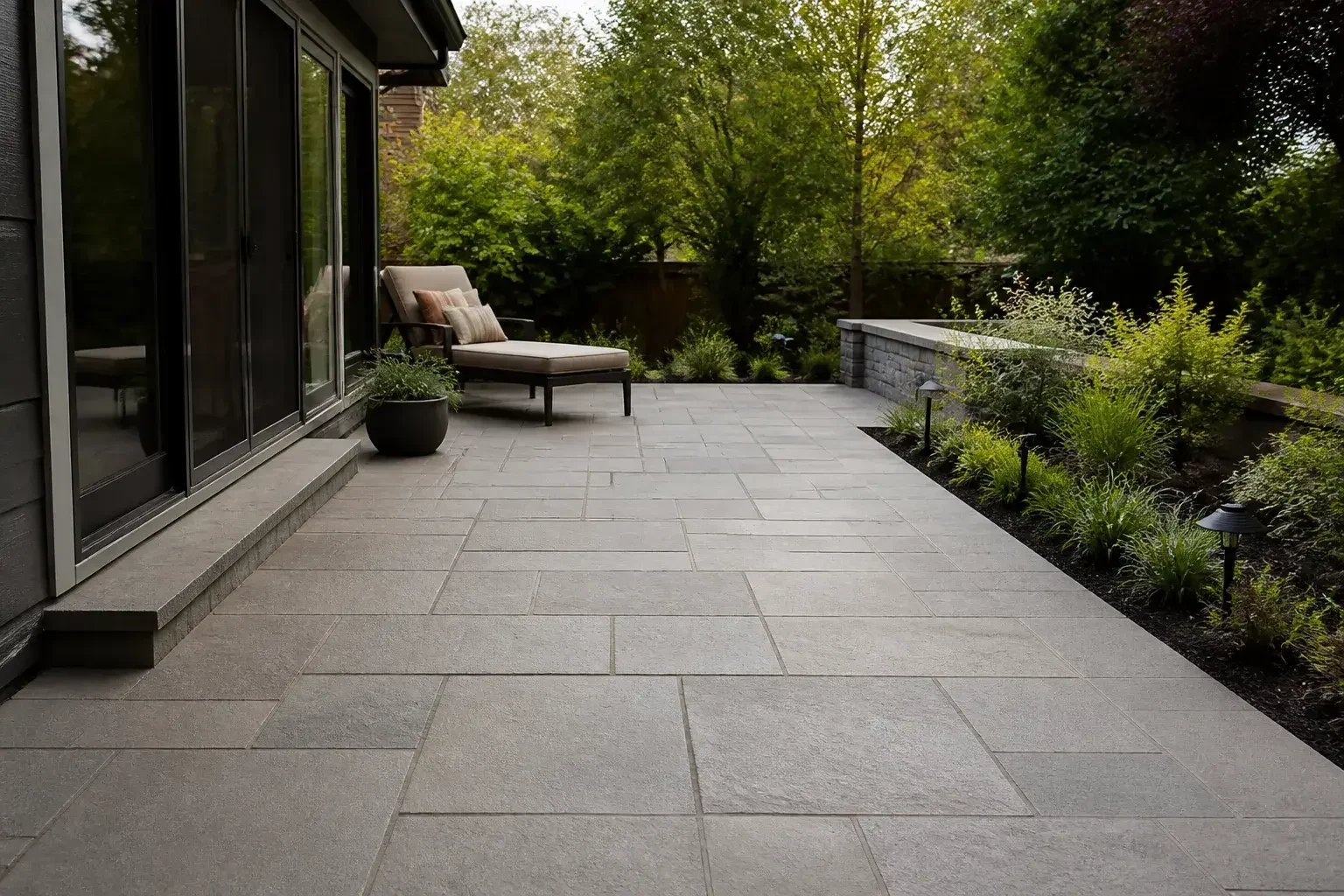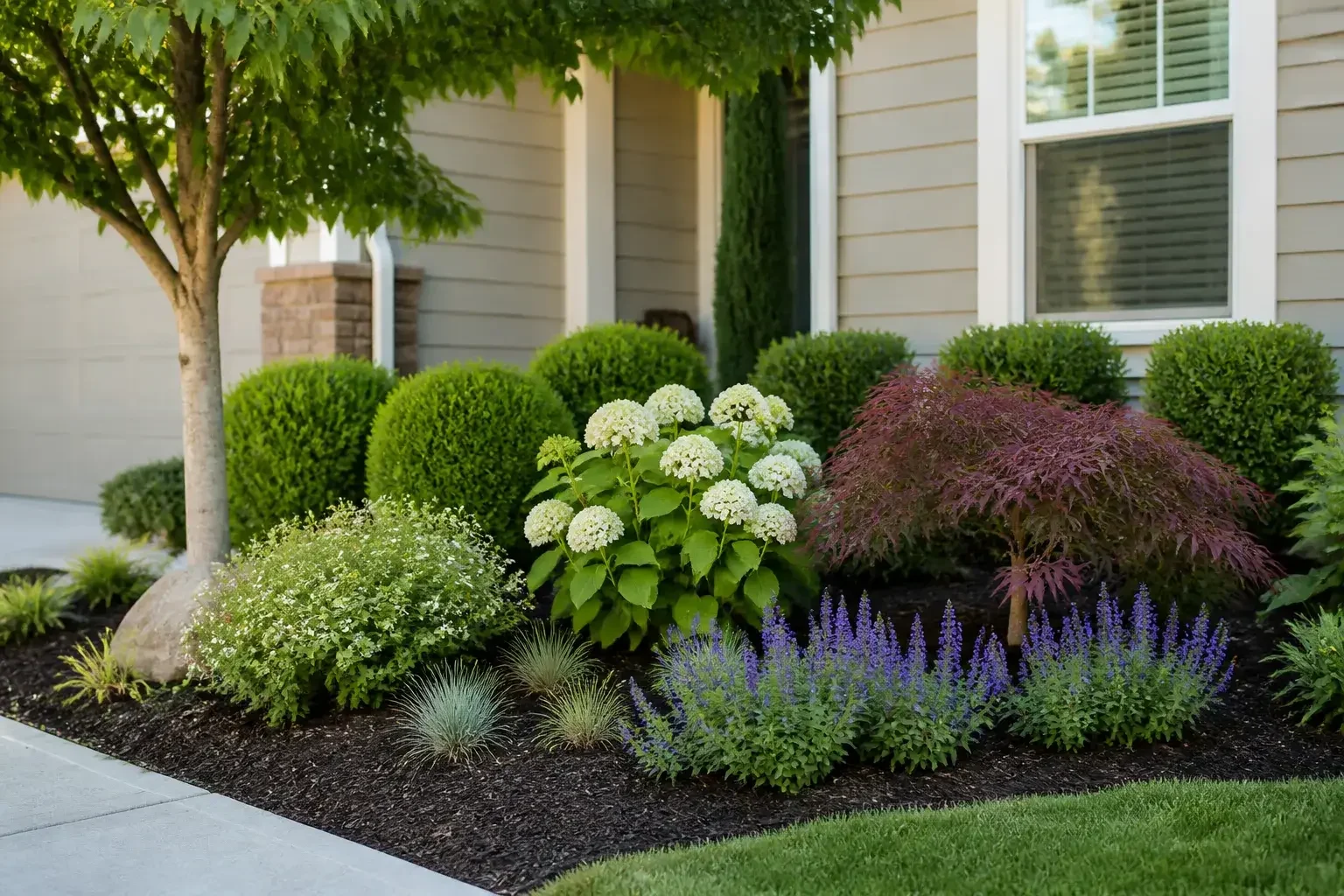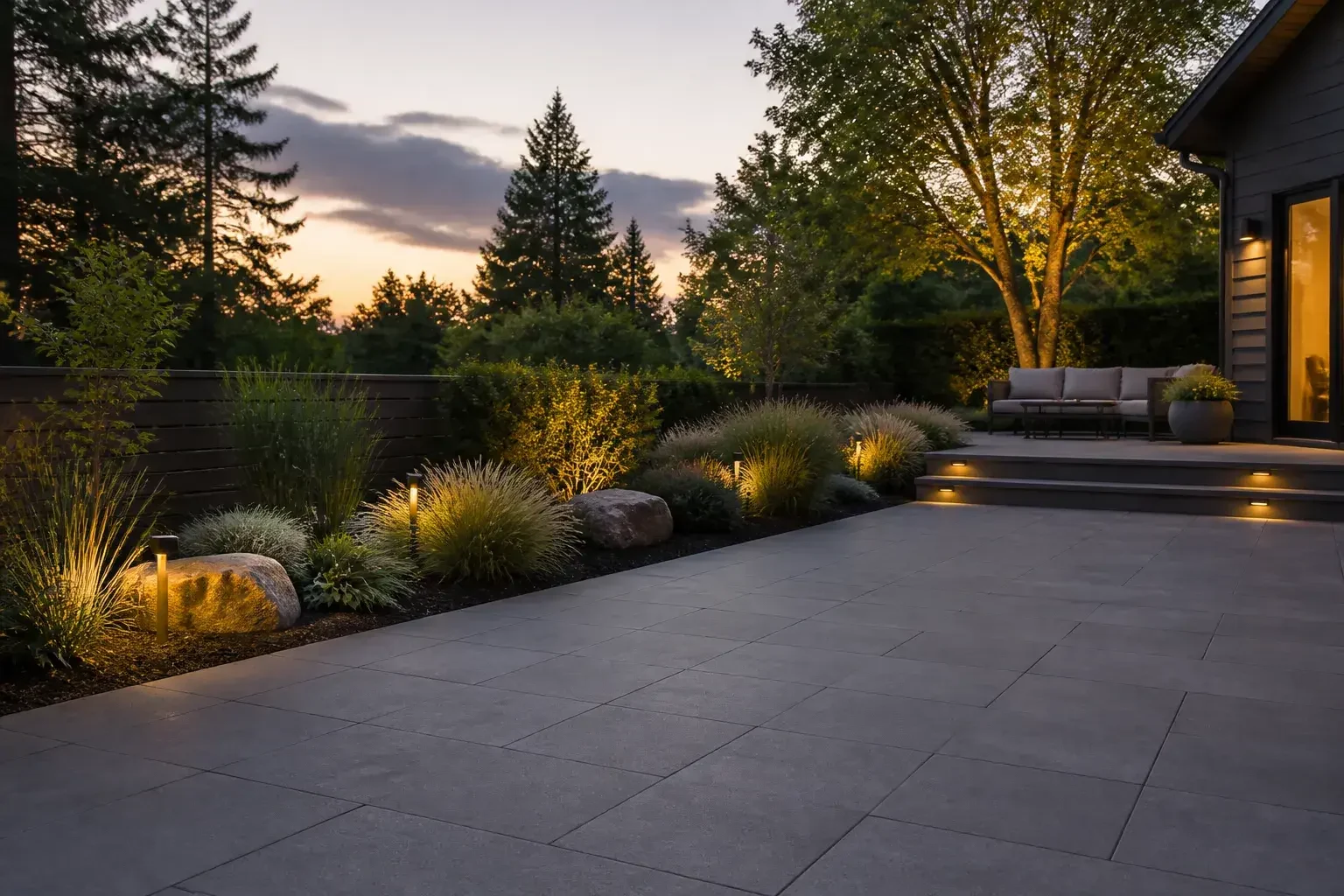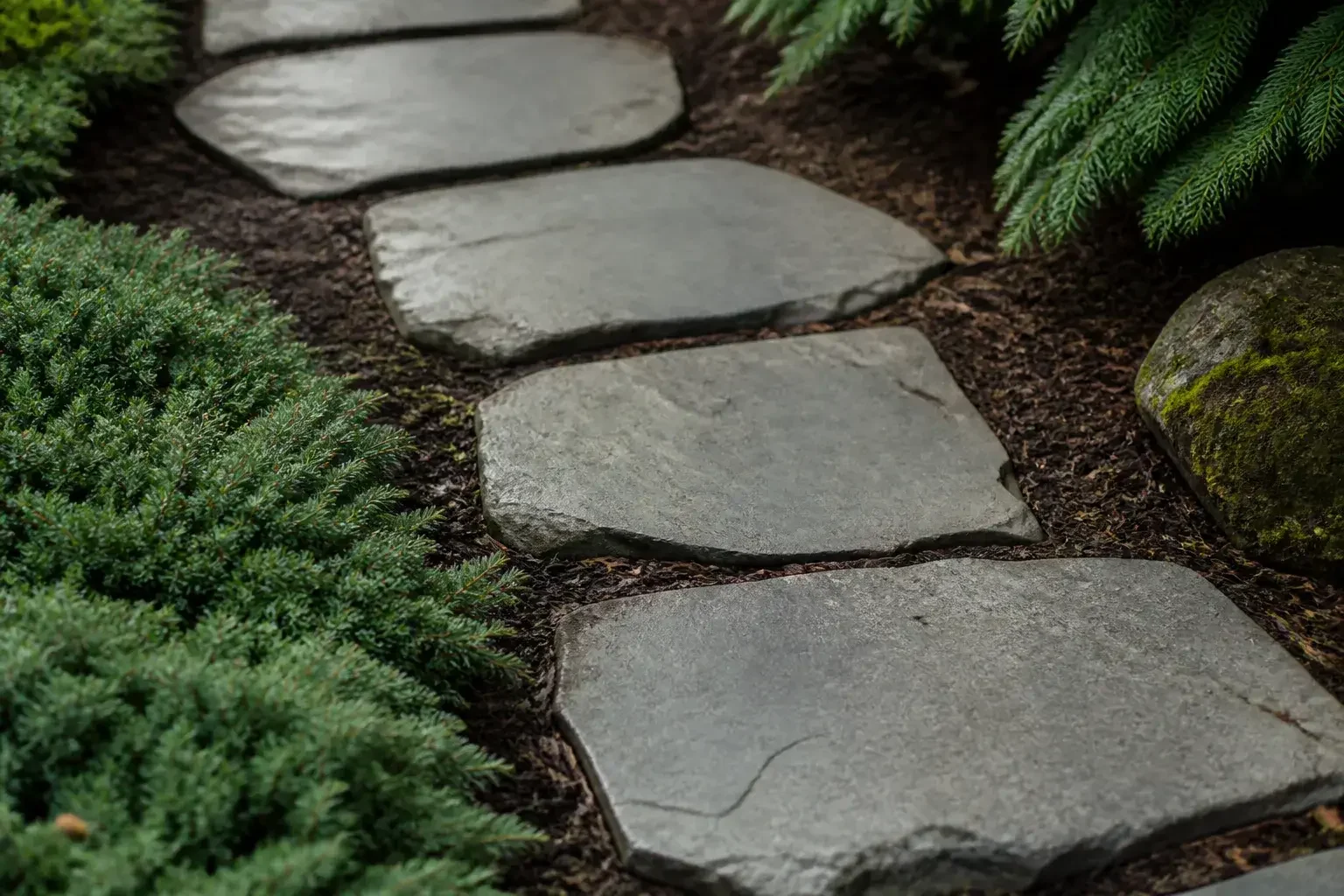
If your yard has a nice patio, a few shrubs, and a lawn that never quite feels right together, you are not alone. Many Portland homeowners start with individual improvements and end up with a space that works in pieces instead of as one outdoor room.
Start With Use
Before choosing plants or materials, think about how you want the yard to function. Do you need a place to sit with morning coffee, room for kids or pets, a better path from the house to the garage, or more privacy from neighbors? A good landscape plan starts with those everyday needs, not with a catalog of plants.
In Portland, the best yards usually balance looks with practical details like drainage, shade, and access. A backyard that gets wet in winter may need grading or a patio surface that handles moisture better than bare soil. A front yard with mature trees may need shade-loving plants instead of constant lawn replacement.
Pull It Together
Once you know how the space should work, look for ways to connect the parts. Repeating materials, plant shapes, or colors can make a yard feel intentional. A path can guide you from the driveway to the back garden. A small seating area can become the focus instead of an afterthought.
This is where Cedar & Stone Landscapes often helps Portland homeowners most. Landscape design is not just about making things pretty. It is about arranging spaces so they make sense in daily life. If your yard feels unfinished, a simple plan can help you decide what to keep, what to move, and what to add next.
Next Steps
Walk your yard and note what feels awkward, underused, or hard to maintain. Take photos in different seasons if you can, since Portland yards change a lot between rainy months and summer dry spells. Then make a short list of priorities before starting any project.
If you want a yard that feels cohesive instead of pieced together, start with a design conversation. A thoughtful plan can save time, reduce rework, and make every future improvement fit the whole space.